Chiplet technology is changing how modern processors are built. Instead of manufacturing one large silicon chip, designers split the work into smaller, specialized pieces called chiplets and connect them on a single package. This modular approach improves manufacturing yields and lets companies mix the best components for the job.
So why does chiplet technology matter to you? It drives faster performance, lower costs, and quicker innovation in the devices you use every day. In this article, we explain what chiplets are, how they work, and why they are shaping the future of computing.
Introduction
Chiplet technology is one of the most significant shifts in computer hardware design in decades. Instead of building a processor as one large piece of silicon, chiplet designs break it into smaller, specialized pieces that are manufactured separately and then packaged together into a single working unit. If you follow technology news, you have likely seen the term appear in coverage of AMD, Intel, Apple, and NVIDIA processors. This article explores What Is Chiplet Technology and Why Is It Important with clear, practical guidance, so you can understand both the mechanics and the real-world consequences.
The stakes are higher than they might first appear. For most of computing history, chipmakers pursued a simple strategy: cram more transistors onto a single monolithic die. That approach delivered predictable gains for decades, but it is now running into physical and economic limits. Chiplet technology is the industry’s response to those limits, and understanding it helps you interpret product announcements, compare hardware, and anticipate where computing performance is heading next.
You do not need a degree in electrical engineering to follow along. The core ideas are intuitive once you strip away the jargon. This guide walks through the fundamentals, the trade-offs, and the practical habits that make sense of a rapidly changing hardware landscape. Reliable information and consistent habits lead to better long-term outcomes, whether you are buying a laptop, planning a data center budget, or simply trying to stay informed.
Key Concepts
Before going deeper, it helps to anchor a few definitions. Chiplet technology rests on several building blocks, and understanding each one makes the bigger picture far easier to grasp.
- Monolithic die: A traditional processor built as one continuous piece of silicon. Everything — CPU cores, memory controllers, graphics — sits on the same die.
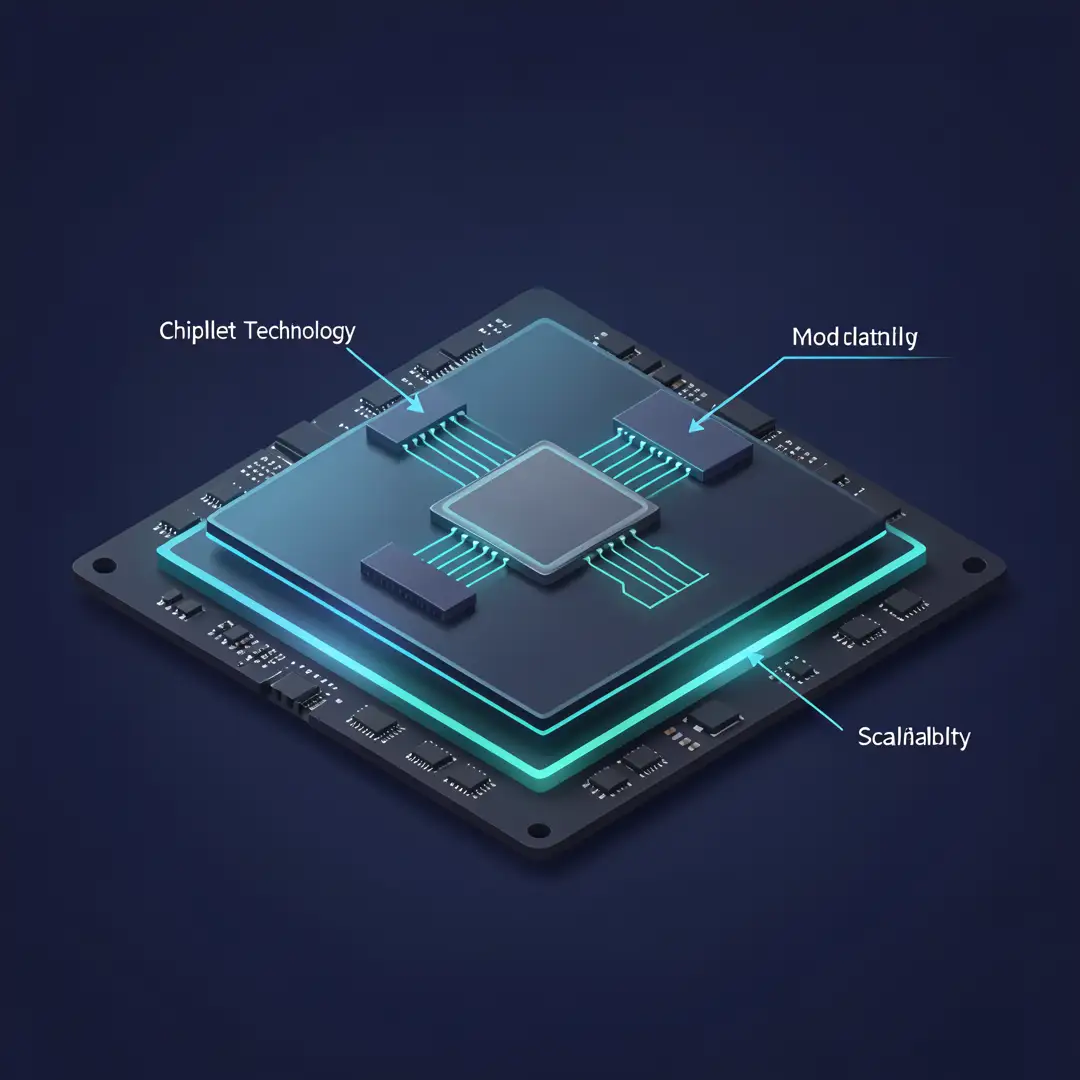
- Chiplet: A small, independently manufactured die that performs a specific function, such as compute, I/O, or memory control. Chiplets are designed to work together.
- Advanced packaging: The techniques used to connect multiple chiplets into one package. Examples include silicon interposers, bridges, and 3D stacking.
- Interconnect: The high-speed pathways that let chiplets communicate. Standards like UCIe (Universal Chiplet Interconnect Express) aim to make chiplets from different vendors interoperable.
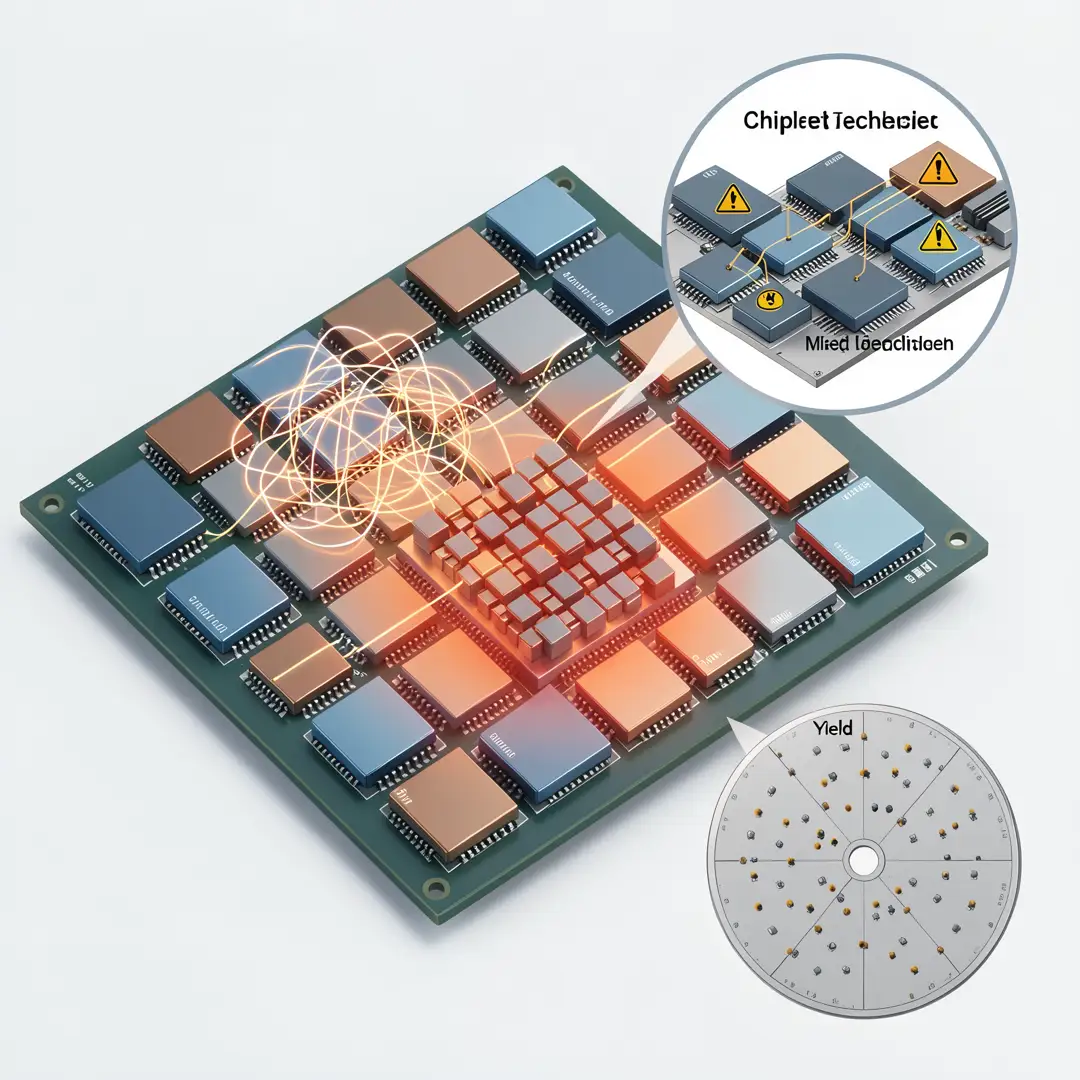
- Yield: The percentage of dies on a silicon wafer that function correctly. Larger dies have lower yield because a single defect can ruin an entire chip.
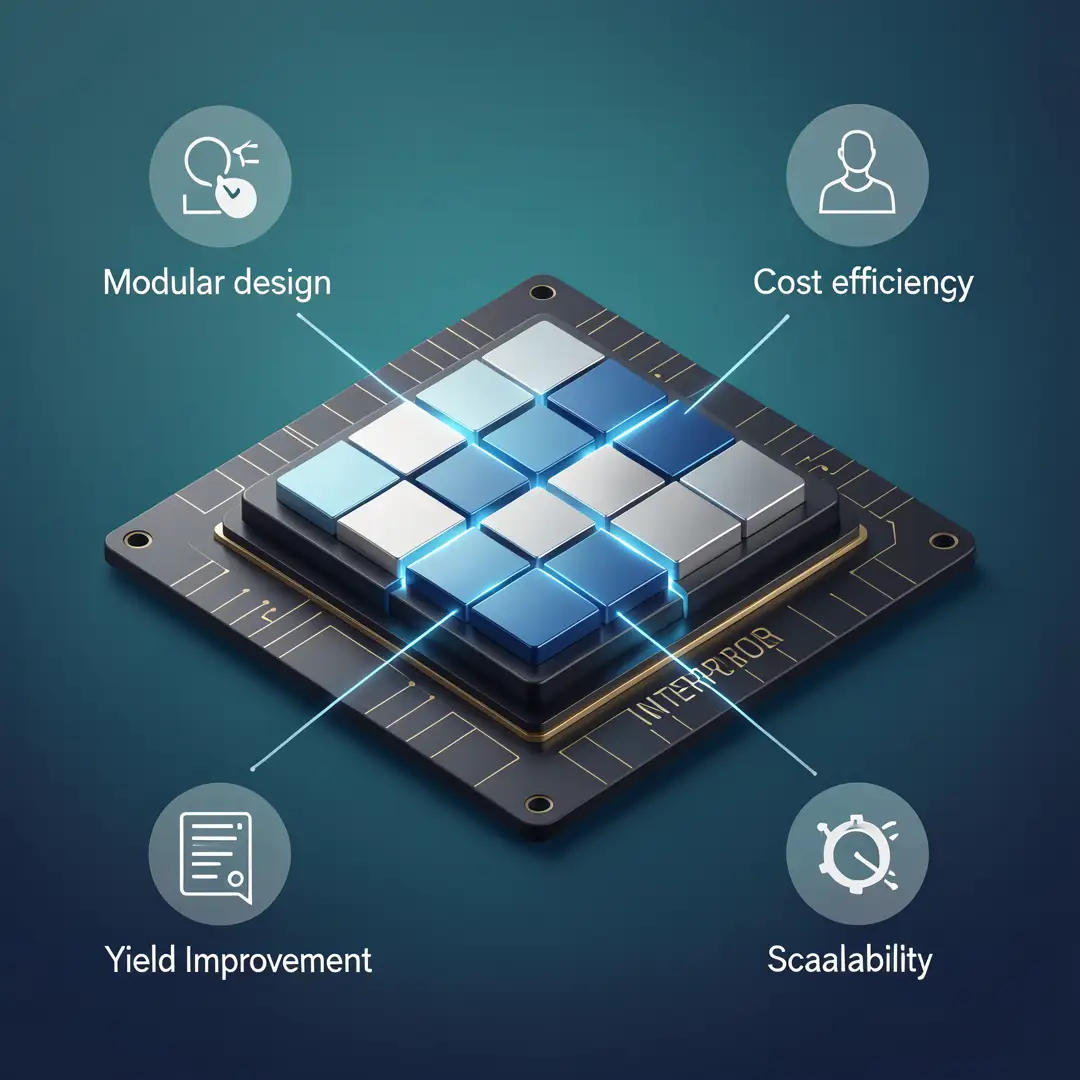
These terms matter because they explain the “why” behind the shift. A defect on a small chiplet wastes a tiny amount of silicon. The same defect on a massive monolithic die can waste hundreds of dollars. That difference in yield economics is a major driver of chiplet adoption.
Deep Dive

Why Monolithic Scaling Hit a Wall
For decades, Moore’s Law delivered a steady cadence of improvements. Each new generation packed more transistors into the same area at lower cost. That pattern has slowed. Manufacturing at leading-edge nodes such as 3 nanometers and below is extraordinarily expensive, and the cost per transistor has stopped falling as reliably as it once did. Meanwhile, physical limits — heat density, power delivery, and signal integrity — make giant dies increasingly difficult to produce reliably.
Chiplets sidestep several of these problems at once. Designers can use the most advanced, most expensive manufacturing only where it matters, such as high-performance compute cores, while placing less demanding functions on older, cheaper nodes. That mix-and-match strategy optimizes both cost and performance.
The Manufacturing and Yield Advantage
Yield is the quiet hero of the chiplet story. Imagine a wafer that produces 100 dies. If each used the full wafer area, a handful of defects might leave only 60 usable chips. Now split that same area into four smaller chiplets. A defect ruins one small chiplet instead of an entire chip, so the effective yield climbs dramatically. Chipmakers can then combine known-good chiplets into finished products.
This approach also improves flexibility. A manufacturer can build one compute chiplet and pair it with different I/O or graphics chiplets to create products for laptops, desktops, and servers. The same base design serves multiple markets, reducing development cost and time to market.
Where You Already See Chiplets
Chiplet designs are no longer experimental. AMD’s Ryzen and EPYC processors use them extensively. Intel’s recent client and server chips combine multiple tiles. Apple’s high-end systems integrate functions across separate dies. Even some networking and automotive chips now rely on chiplet architectures. If you have bought a computer in the last few years, you very likely own chiplet-based hardware already.
The trend accelerates because the economics are compelling. As advanced packaging matures, more companies can assemble competitive products without owning a leading-edge fabrication plant. That democratization could reshape who builds chips and how quickly they reach the market.
Best Practices
Understanding chiplet technology is not just an academic exercise. It shapes how you evaluate hardware, plan upgrades, and avoid common misconceptions. The following step-by-step approach gives you a practical framework you can apply immediately.
Step 1: Understand the fundamentals
Start by confirming you can explain the core idea in plain language: a chiplet is a small, specialized die combined with others in one package. Understanding the fundamentals of What Is Chiplet Technology and Why Is It Important helps you make informed decisions. Read one or two reputable sources, then try to describe the concept to someone else. If you can do that without jargon, you have a solid foundation.

Step 2: Assess your starting point
Next, look at your own situation. What hardware do you currently use? What are your real bottlenecks? A gamer cares about graphics and single-core speed; a data center operator cares about core density and power efficiency. Write down your priorities before you start comparing products. That list becomes your filter for every claim you encounter.
Step 3: Set clear goals
Decide what success looks like. Perhaps you want to choose a laptop that will last four years. Perhaps you want to brief a team on why your company should reconsider its server refresh cycle. Vague goals produce vague research. Specific goals keep you focused on the details that actually change outcomes.
Step 4: Gather necessary resources
Collect reliable sources: manufacturer documentation, independent benchmark reviews, and technical explainers from established outlets. Avoid relying on a single video or forum post. Cross-check specifications such as core counts, cache sizes, and interconnect bandwidth. Reliable information and consistent habits lead to better long-term outcomes, so build a small library you trust and return to it.
Step 5: Apply the core methods
Put your research to work. When comparing two processors, ask whether either uses chiplets, what functions are split out, and how that affects performance per watt and price. Look for real-world benchmarks rather than peak theoretical numbers. If you are making a purchasing decision, match the architecture to your actual workload instead of chasing headlines.
Step 6: Monitor your progress
Technology moves quickly, and chiplet packaging standards continue to evolve. Revisit your assumptions every six to twelve months. Track announcements about interconnect standards, new packaging techniques, and product launches. Over time, this habit turns scattered facts into genuine expertise.
FAQ
What should I know about What Is Chiplet Technology and Why Is It Important?
The single most important point is that chiplets change the economics of chipmaking, not just the engineering. Smaller dies improve yield, allow mixing of manufacturing nodes, and let vendors reuse designs across product lines. For you as a buyer, this often means better price-to-performance and more flexible product options. It also means marketing claims can be harder to compare directly, so focus on independent benchmarks and your own workload. Knowing how chiplets work helps you see through hype and evaluate whether a particular product genuinely fits your needs. It is also worth remembering that chiplets introduce new challenges, such as interconnect latency and thermal complexity, which manufacturers must manage carefully.
Who is this guide for?
This guide is written for anyone who wants a clear, practical understanding of chiplet technology without wading through academic papers. That includes technology enthusiasts comparing upgrades, IT professionals planning hardware purchases, students studying computer architecture, and business decision-makers who need to understand why chip supply and performance are changing. No prior engineering background is required. If you can follow a product review, you can follow this material. The goal is to give you enough grounding to ask better questions and make more confident decisions, whether you are buying one laptop or planning infrastructure for an entire organization.
Conclusion
Chiplet technology represents a fundamental rethinking of how processors are built. By splitting large chips into smaller, specialized dies and joining them through advanced packaging, manufacturers overcome yield limits, control costs, and gain flexibility that monolithic designs cannot match. The approach already powers many of the devices you use daily, and its influence will only grow as interconnect standards mature and more companies adopt it. For readers, the payoff is practical: you can interpret hardware announcements more accurately, compare products on meaningful criteria, and anticipate where performance improvements will come from next. The step-by-step framework in this guide gives you a repeatable process — understand the fundamentals, assess your starting point, set goals, gather resources, apply core methods, and monitor progress. Follow it consistently, lean on reliable sources, and you will stay ahead of a fast-moving field. Reliable information and consistent habits lead to better long-term outcomes, and that principle applies whether you are choosing a single device or shaping a long-term technology strategy.
Frequently Asked Questions
What should I know about What Is Chiplet Technology and Why Is It Important?
This guide covers the essentials of What Is Chiplet Technology and Why Is It Important with practical steps you can apply right away.
Who is this guide for?
Anyone looking for a clear, structured overview without unnecessary complexity.
You now have a solid foundation for What Is Chiplet Technology and Why Is It Important. Apply the best practices above and revisit this guide as your needs evolve.