Noise cancellation has come a long way from the static hum of early headphones. Today, AI-powered noise cancellation uses machine learning to analyze your surroundings in real time, separating unwanted sound from the audio you actually want to hear. The result is a listening experience that adapts to your environment, not the other way around.
In this article, we break down how this technology works, what makes it different from traditional ANC, and how you can choose the right device for your needs.
Introduction
Noise cancellation has come a long way from the bulky headsets once worn only by pilots and industrial workers. Today, earbuds the size of a fingernail can silence the drone of a jet engine or the hum of an office air conditioner. What changed? The answer is artificial intelligence. AI-powered noise cancellation combines classic acoustic engineering with machine learning models that adapt to your environment in real time. This article explores the technology behind AI-powered noise cancellation with clear, practical guidance you can use to understand, evaluate, and get the most from these devices.
Whether you are buying your first pair of smart headphones, designing audio products, or simply curious about how your earbuds seem to know when a baby cries versus when a door slams, the core ideas are accessible. Understanding the fundamentals of AI-powered noise cancellation helps you make informed decisions—about which features matter, what marketing claims mean, and how to set realistic expectations. Reliable information and consistent habits lead to better long-term outcomes, and that principle applies here just as it does to sleep, exercise, or any other daily routine.
We’ll start with the building blocks: sound waves, phase inversion, and the difference between passive and active noise cancellation. Then we’ll move into how AI changes the game—adaptive filtering, neural networks, and real-time scene detection. From there, we’ll walk through a step-by-step framework for choosing or using AI noise cancellation effectively. Finally, we’ll answer common questions and wrap up with practical takeaways.
Key Concepts
Before diving into AI, it helps to understand the physics and electronics that make any noise cancellation work. Sound is a pressure wave traveling through air. If you can create an identical wave that is perfectly out of phase—flipped upside down—the two waves cancel each other out. This is called destructive interference, and it is the heart of active noise cancellation (ANC).
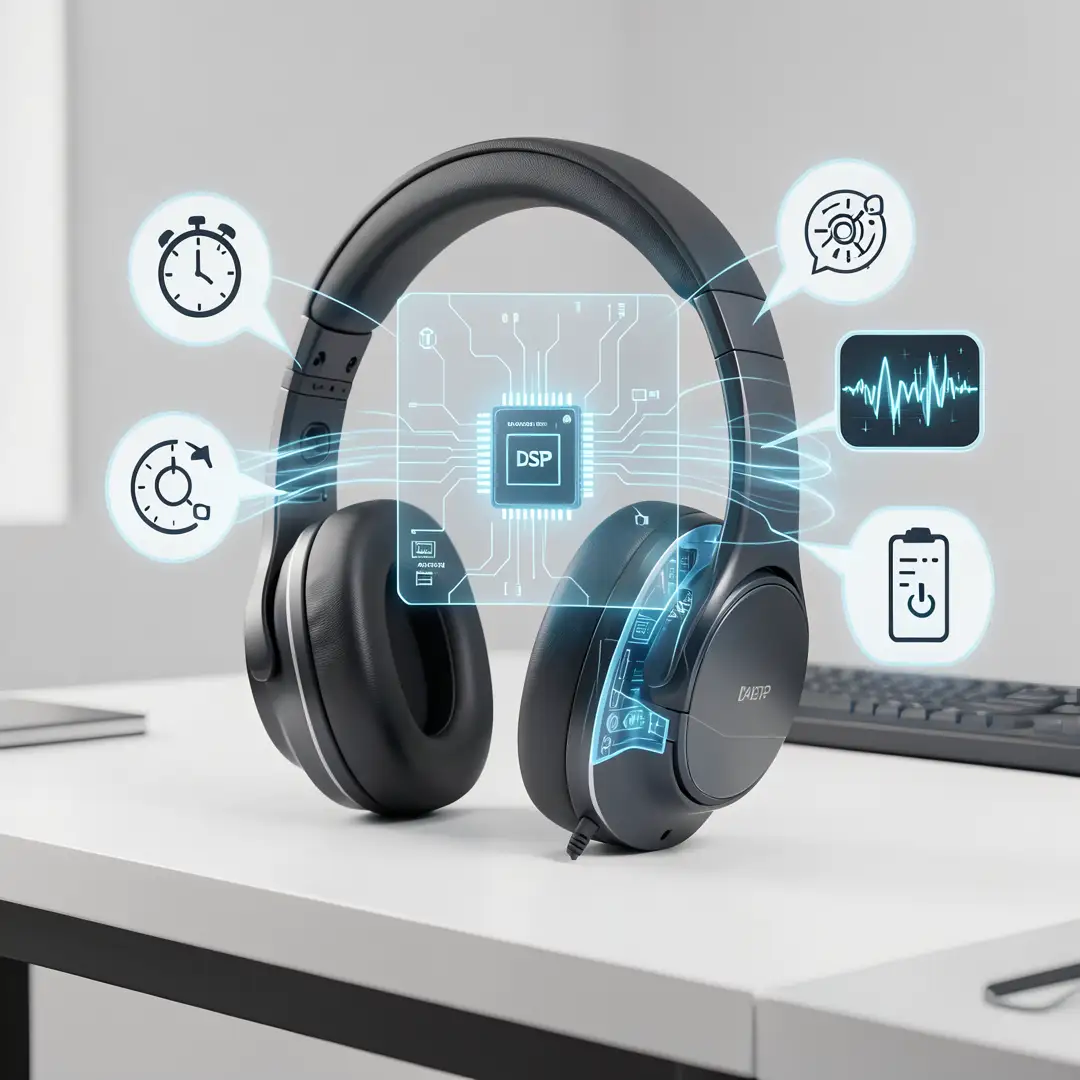
Traditional ANC uses microphones to sample ambient noise, then generates an “anti-noise” signal through a digital signal processor (DSP). The anti-noise is played through the headphone speakers, and the unwanted sound is reduced. The challenge is that real-world noise is messy: it changes constantly, contains many frequencies, and arrives from different directions. Simple analog circuits struggle with this. Digital ANC is better, but still relies on fixed algorithms that may not adapt well to sudden changes.
AI-powered noise cancellation adds machine learning to the mix. Instead of relying on hand-tuned filters, an AI model learns patterns in noise and predicts the best anti-noise response. Key concepts include:
- Feedforward and feedback microphones: Feedforward mics sit outside the ear cup to catch noise before it reaches you. Feedback mics sit inside near the speaker to measure what you actually hear. AI systems often combine both.
- Adaptive filtering: The system continuously updates its noise-canceling signal based on real-time input. AI makes these updates faster and more accurate.
- Neural networks: Deep learning models can classify sounds—traffic, speech, wind, keyboard clicks—and apply different cancellation strategies for each.
- Latency: The delay between capturing noise and playing anti-noise. For high frequencies, even a few milliseconds of latency can ruin cancellation. AI helps reduce effective latency by predicting noise before it fully arrives.
- Transparency mode: The opposite of cancellation—AI can selectively let certain sounds through, like a colleague’s voice or a subway announcement.
These concepts matter because they determine what a device can and cannot do. A headset with basic ANC might reduce steady engine hum but struggle with sharp, intermittent sounds. An AI-powered system can handle both by switching strategies on the fly.
Deep Dive
Let’s look under the hood. AI-powered noise cancellation typically works in three stages: sensing, processing, and actuation.
Sensing: The Microphone Array
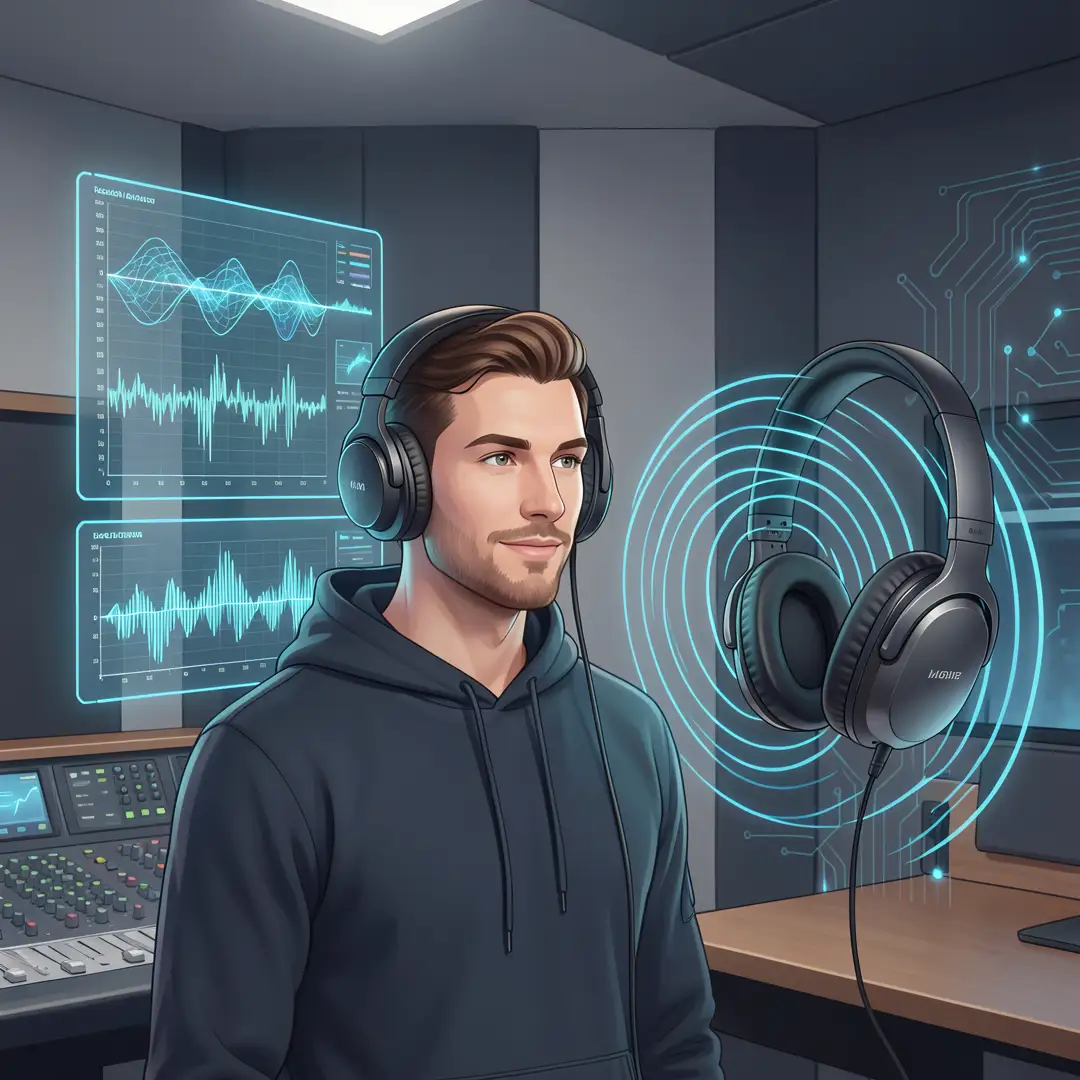
Modern devices use multiple microphones—sometimes four, six, or more—placed around the ear. Each mic captures a slightly different version of the sound field. AI algorithms fuse these signals to estimate the direction and type of noise. For example, if all mics detect a low-frequency rumble, it’s likely an engine or HVAC system. If one mic picks up a sudden spike, it could be a nearby voice or a door closing.
Processing: The Neural Network
The processing stage is where AI shines. Traditional DSP uses mathematical filters like least mean squares (LMS) to adapt. These work well for stationary noise but lag behind rapid changes. Neural networks, trained on thousands of hours of real-world audio, can predict the next few milliseconds of noise. This prediction allows the system to generate anti-noise earlier, improving cancellation of higher frequencies.
Some systems use convolutional neural networks (CNNs) to analyze spectrograms—visual representations of sound frequencies over time. Others use recurrent neural networks (RNNs) or transformers to handle sequences. The output is a control signal that adjusts the anti-noise waveform hundreds of times per second.
Actuation: The Speaker and Beyond
The final stage is playing the anti-noise through the device’s speakers. Because speakers have physical limits—especially tiny earbud drivers—the AI must also account for distortion and nonlinearity. Some advanced systems use separate drivers for anti-noise and music, or apply psychoacoustic tricks to mask residual noise.
Beyond hardware, AI enables features like:
- Adaptive wind noise reduction: Wind hitting a microphone creates chaotic noise. AI can distinguish wind from speech and suppress it without muffling voices.
- Selective sound passthrough: You can choose to hear sirens, alarms, or your name while blocking everything else.
- Personalized hearing profiles: Some earbuds map your ear canal’s acoustics and adjust cancellation accordingly.
- Battery-aware processing: AI can dial back computation when battery is low, prioritizing essential noise reduction.
The result is a system that feels almost magical: you put on the headphones, and the world fades away—but only the parts you don’t want to hear.
Best Practices
To get the most from AI-powered noise cancellation, follow these practical guidelines. They apply whether you are a consumer, a product manager, or an audio engineer.
- Match the mode to the environment. Use full ANC on airplanes or trains. Switch to transparency mode in busy streets or offices where you need awareness. Many devices have an “adaptive” mode that does this automatically—trust it, but verify it works for your common scenarios.
- Ensure a proper fit. Noise cancellation depends on a seal between the earbud and your ear canal. If the fit is loose, both passive and active cancellation suffer. Try different ear tips and run any available fit test.
- Keep firmware updated. AI models improve over time. Manufacturers often release updates that enhance noise cancellation, add new sound profiles, or fix bugs. Enable automatic updates if possible.
- Manage expectations for high frequencies. AI has improved high-frequency cancellation, but physics still limits it. Sudden, sharp sounds like a dog bark or a dropped plate may still get through. That’s normal.
- Use wind reduction settings outdoors. If your device has a dedicated wind noise mode, turn it on for cycling, running, or windy commutes. It prevents the microphones from being overwhelmed.
- Test battery impact. AI processing draws power. If battery life is critical, consider lowering the cancellation level or using a wired connection when possible.
- Clean your microphones. Dust, earwax, and debris can block mic ports, degrading AI performance. Follow the manufacturer’s cleaning instructions regularly.
These habits are simple but powerful. Reliable information and consistent habits lead to better long-term outcomes—not just for noise cancellation, but for any technology you rely on daily.
Step-by-Step Guide to Evaluating and Using AI Noise Cancellation
The following steps will help you move from curiosity to confident use. They are written for general readers, but the principles apply to professionals as well.
Step 1: Understand the fundamentals
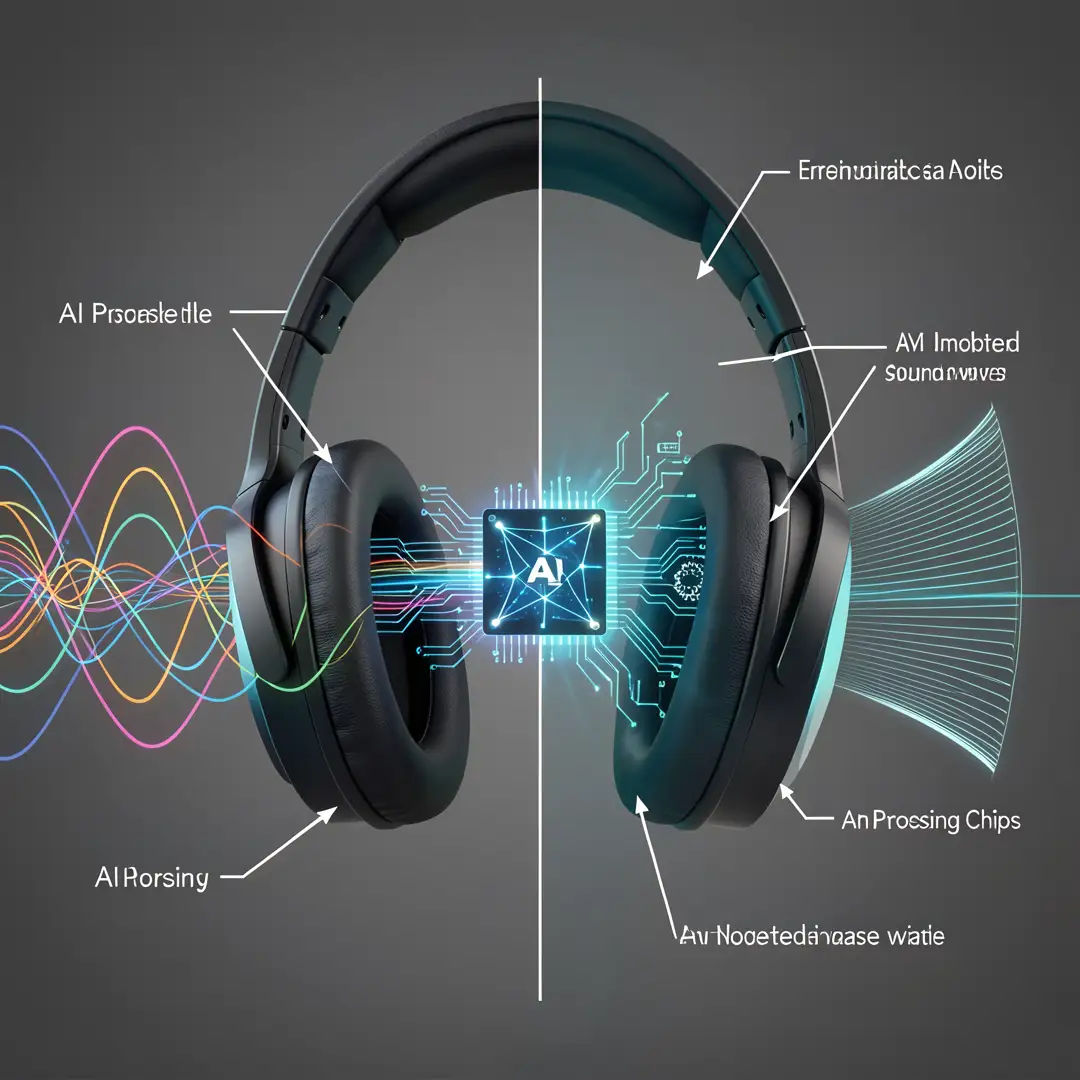
Start by learning the basics of sound, phase cancellation, and the difference between passive, active, and AI-powered noise cancellation. Read product spec sheets and look for terms like “adaptive ANC,” “hybrid ANC,” and “neural processing.” Watch video reviews that demonstrate real-world performance. The goal is to know what you are buying or building, not just what the marketing says.
Step 2: Assess your starting point
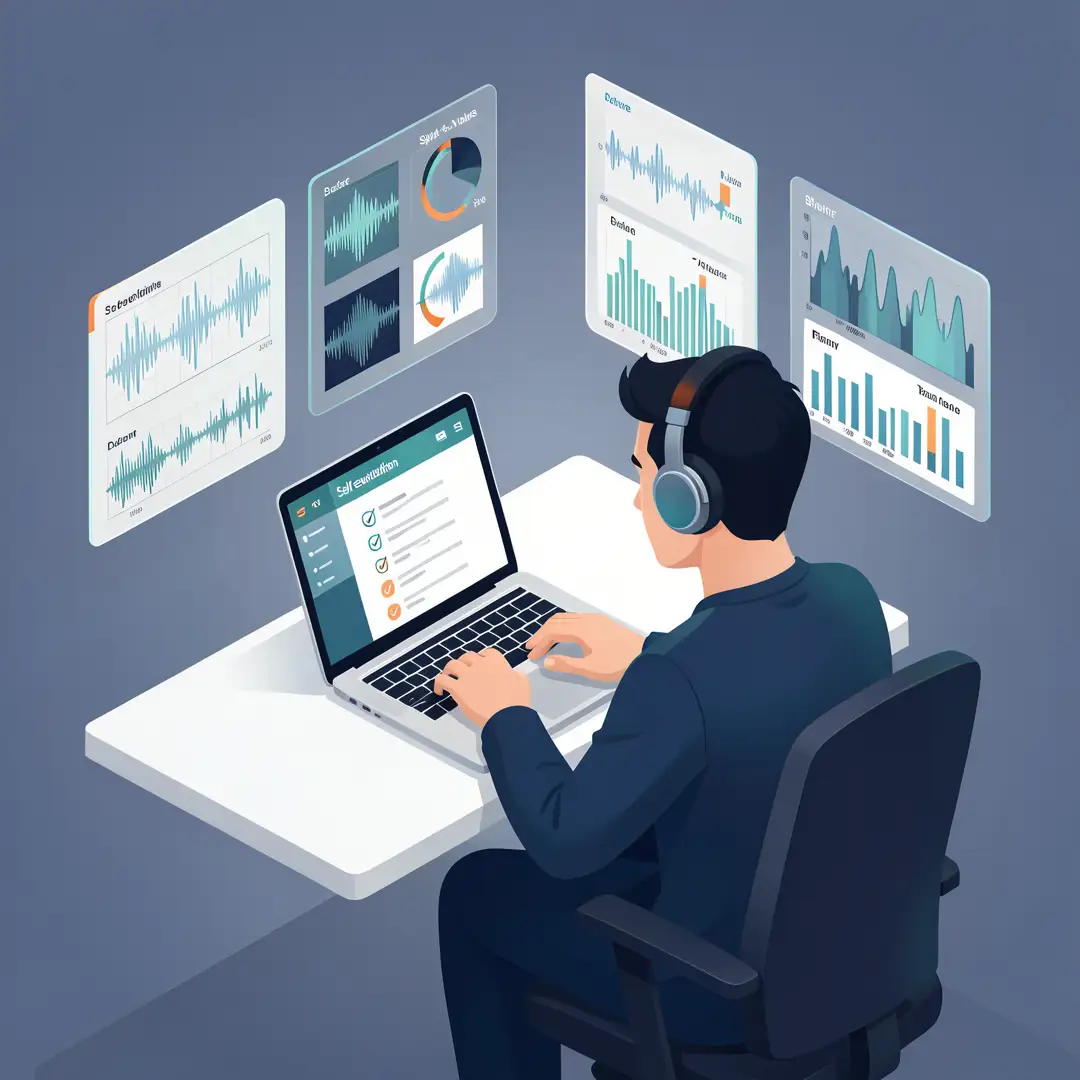
Identify your primary noise problems. Do you need to block constant airplane rumble, intermittent office chatter, or low-frequency traffic? Note your environment, the types of devices you use, and your budget. If you already own noise-canceling headphones, evaluate their strengths and weaknesses. This baseline will guide your next steps.
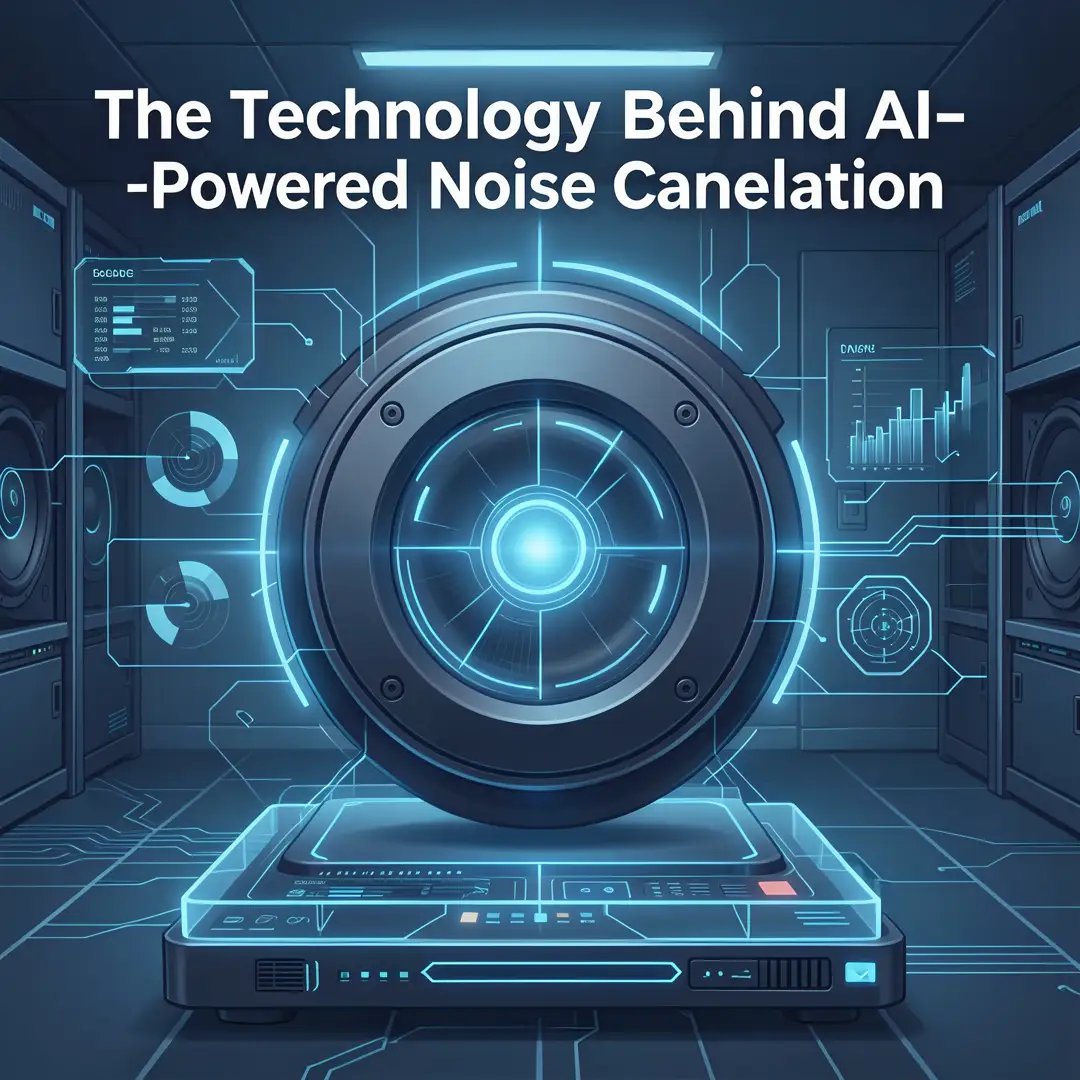
Step 3: Set clear goals
Define what success looks like. For a buyer, it might be “reduce airplane noise enough to sleep” or “hear my surroundings clearly while walking.” For a developer, it could be “achieve 20 dB reduction in the 100–1000 Hz range with under 10 ms latency.” Write your goals down. Clear goals make it easier to compare options and avoid feature creep.
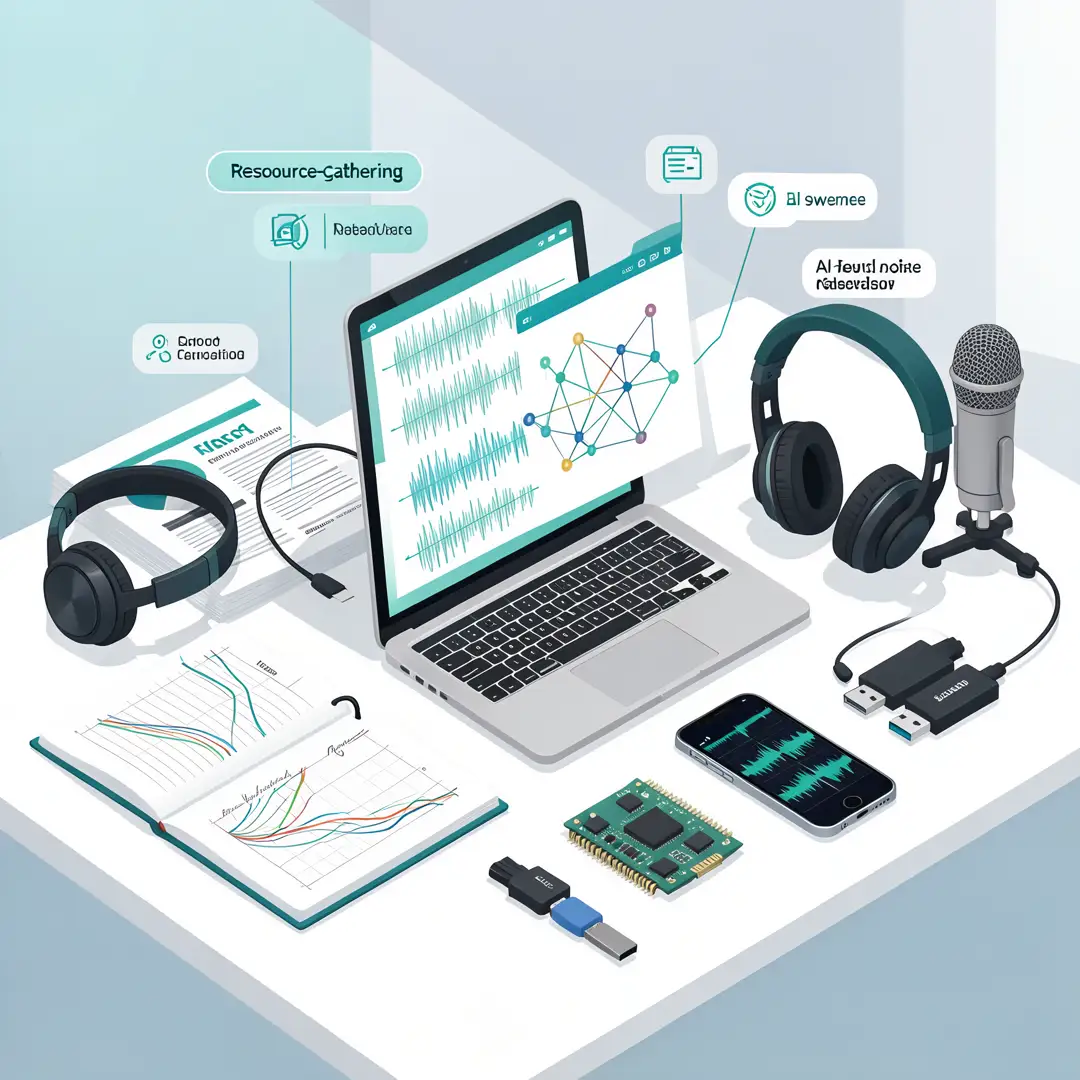
Step 4: Gather necessary resources
Collect the tools and information you need. For consumers, that means reviews from trusted sources, return policies, and a list of must-have features. For engineers, it includes datasets of noise samples, development kits, and access to DSP or neural processing hardware. Budget for both the device and any accessories like replacement ear tips or a carrying case.

Step 5: Apply the core methods
Now put the technology to work. If you are using a device, experiment with different modes and settings in your typical environments. Try adaptive mode, manual ANC levels, and transparency. If you are building a system, implement a hybrid feedforward-feedback architecture, train your model on diverse noise data, and validate latency. Focus on the core methods: sensing, processing, and actuation, and optimize each stage.
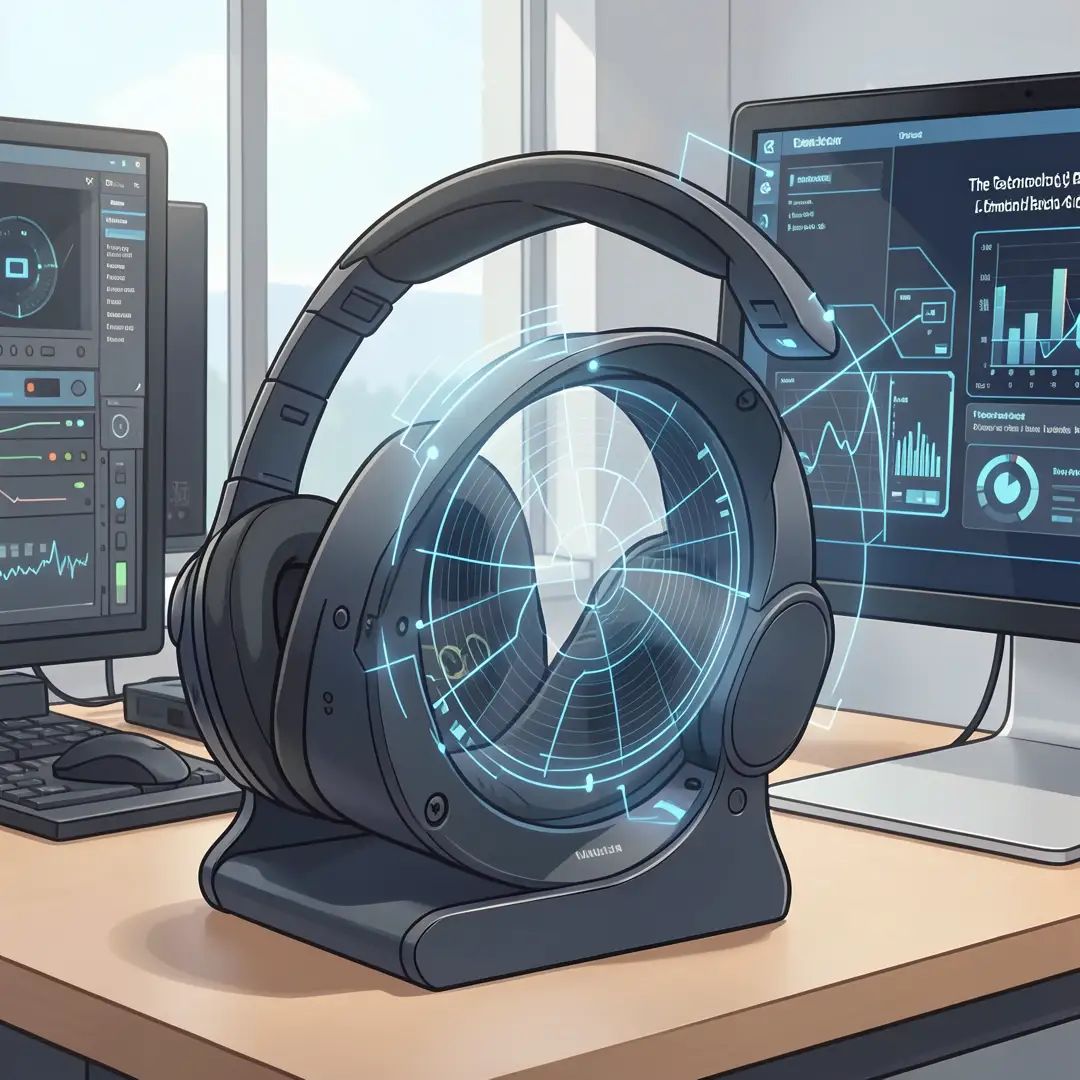
Step 6: Monitor your progress
Track how well your solution performs over time. For consumers, that means noting battery life, comfort, and whether noise cancellation still meets your needs after weeks of use. For developers, monitor key metrics like signal-to-noise ratio, power consumption, and user feedback. Adjust as needed. Consistent monitoring turns a one-time purchase or project into a long-term benefit.
FAQ
What should I know about AI-powered noise cancellation?
AI-powered noise cancellation uses machine learning to adapt to your environment in real time. Unlike traditional ANC, which relies on fixed filters, AI systems can classify sounds, predict noise, and adjust the anti-noise signal faster and more accurately. This means better performance in changing environments—like walking from a quiet room into a busy street. However, it is.
You now have a solid foundation for The Technology Behind AI-Powered Noise Cancellation. Apply the best practices above and revisit this guide as your needs evolve.